More than a place on the map.
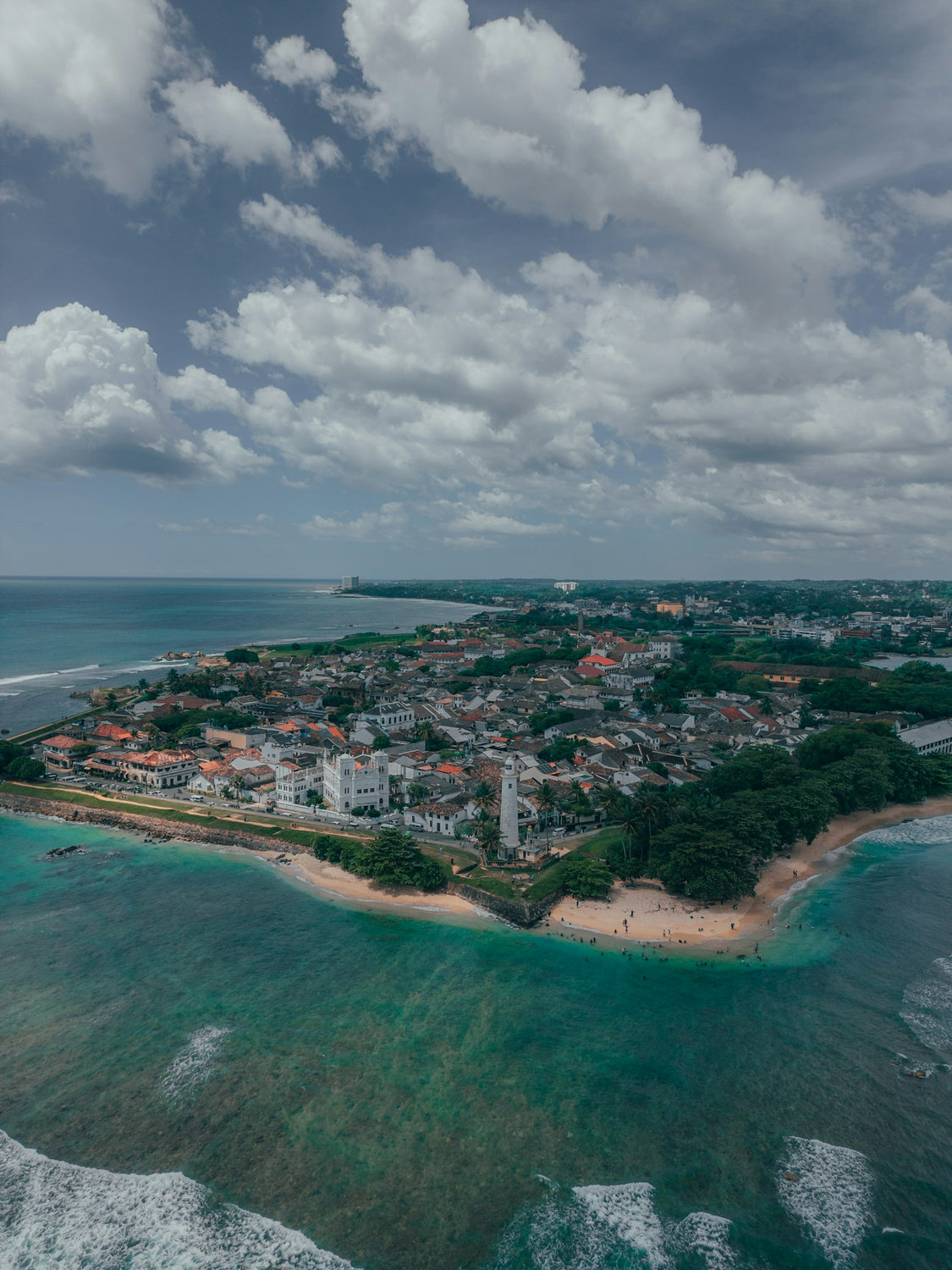
Step through the gates of Galle Fort into a living coastal neighbourhood shaped by centuries of trade. The Portuguese established the fortified town in the sixteenth century and the Dutch expanded it in the seventeenth and eighteenth centuries. Today its atmospheric lanes connect galleries, courtyards, cafés, the lighthouse and sunset views from the ramparts. The Old Town of Galle and its Fortifications is a UNESCO World Heritage Site, recognised for its distinctive mix of European and South Asian traditions.
Galle is a place to explore on foot. Inside the old fort walls, small streets reveal a blend of cultures shaped by trade across the Indian Ocean. The Portuguese first fortified the town in the sixteenth century, while the Dutch developed its walls and urban fabric in later centuries. The result is a remarkable historic neighbourhood that is still lived in today.
The lighthouse, bastions and stone ramparts bring the sea into almost every view. Within the walls you can find shaded courtyards, cafés, boutiques and galleries in historic buildings. Take your time and explore the details: doors, verandas, old street names and changing colours as evening approaches.
UNESCO recognises the Old Town of Galle and its Fortifications for the distinctive interaction between European architecture and South Asian traditions. Visiting the fort is therefore not just about taking a photograph at the lighthouse; it is also an opportunity to understand how buildings and streets adapted to the climate and history of Sri Lanka.
After a day in the fort, the nearby coast offers beaches and relaxed stays. Galle pairs naturally with Mirissa on a southern itinerary, but allow enough time for unhurried exploration. When walking on the exposed ramparts, take extra care in strong wind or rain.
Photo credit: Galle coastal image: Unsplash · Image license · Source photo used for web display.