More than a place on the map.
Mirissa pairs palm-fringed beaches with early-morning opportunities to watch whales and dolphins offshore. Sri Lanka’s southern seas are known for blue whales and other marine life, but every encounter depends on sea conditions and wildlife behaviour. The main whale-watching window is generally November to April. Leave time for relaxed beach days, seaside dining and nearby Weligama. Choose operators that follow marine-mammal viewing rules and never promise a guaranteed sighting.
Mirissa is a southern-coast escape with a laid-back beach rhythm. Palm trees frame the shore, fishing boats head out to sea, and cafés provide places to watch the light change. Travellers come for both relaxing days on land and the possibility of seeing some of the ocean’s largest animals offshore.
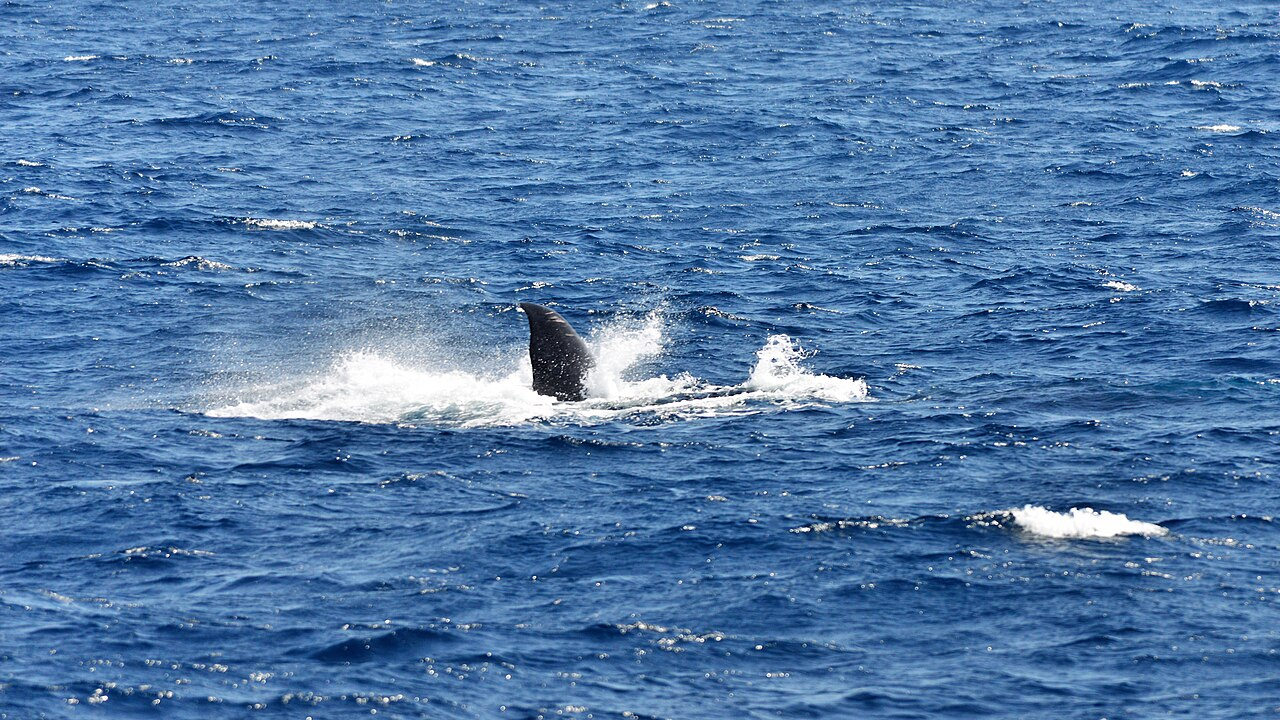
Whale and dolphin watching is one of the area’s best-known experiences. The southern seas are associated with blue whales, sperm whales and dolphins, but sightings depend entirely on nature. Boats generally depart early in the morning and trips may be cancelled when the sea is unsafe. A responsible tour operator will never promise a guaranteed encounter.
The usual period for south-coast whale watching is November through April, when the sea is often more suitable for excursions. Choose an appropriately registered operator that follows marine-mammal viewing regulations and safety rules, including life-jacket use. Boats should not chase or crowd animals; wildlife welfare matters as much as the visitor experience.
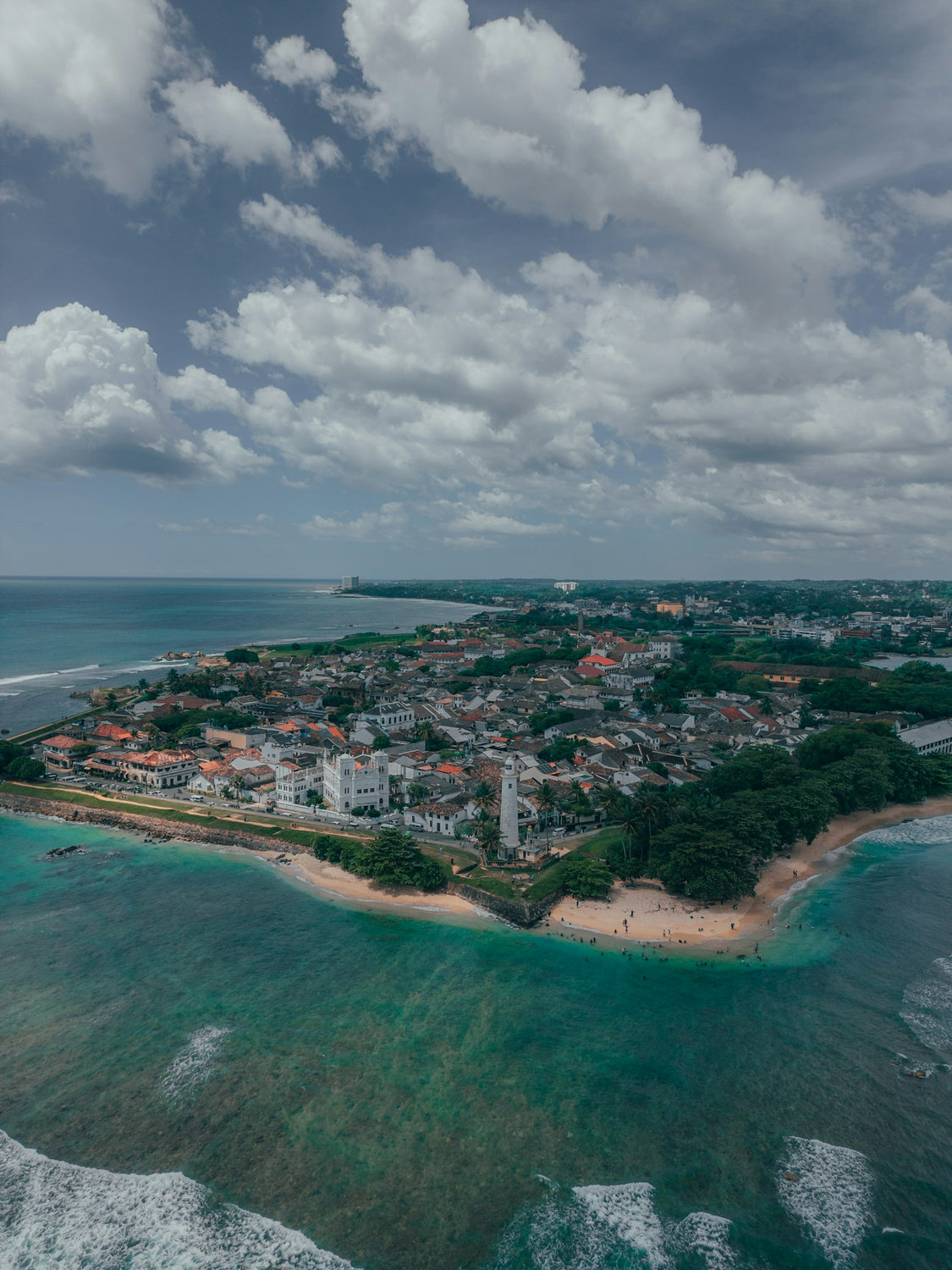
Outside the boat trip, explore Mirissa’s beach atmosphere and coastal viewpoints or visit nearby Weligama. Swimming conditions vary with the season and surf, so follow local advice. Mirissa and Galle make a memorable combination for travellers who want both seaside relaxation and a touch of history.
Photo credit: Mirissa whale image: DammikaD · Image license · CC BY-SA 4.0 · resized for web display.